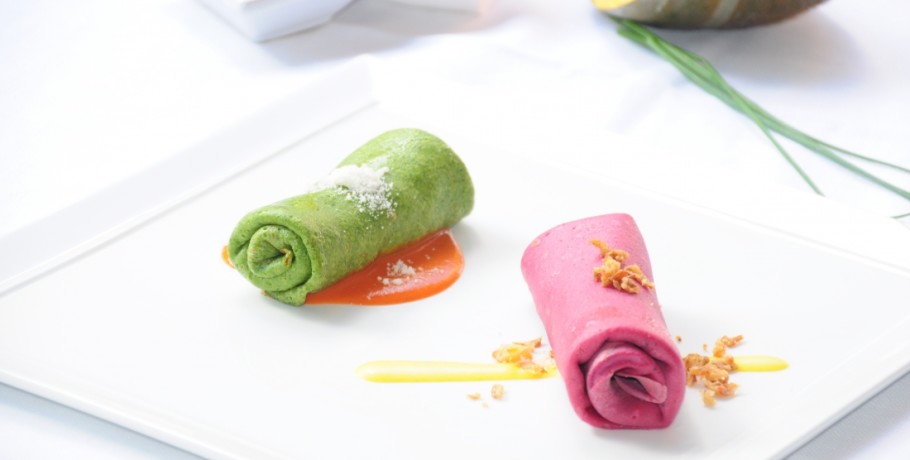
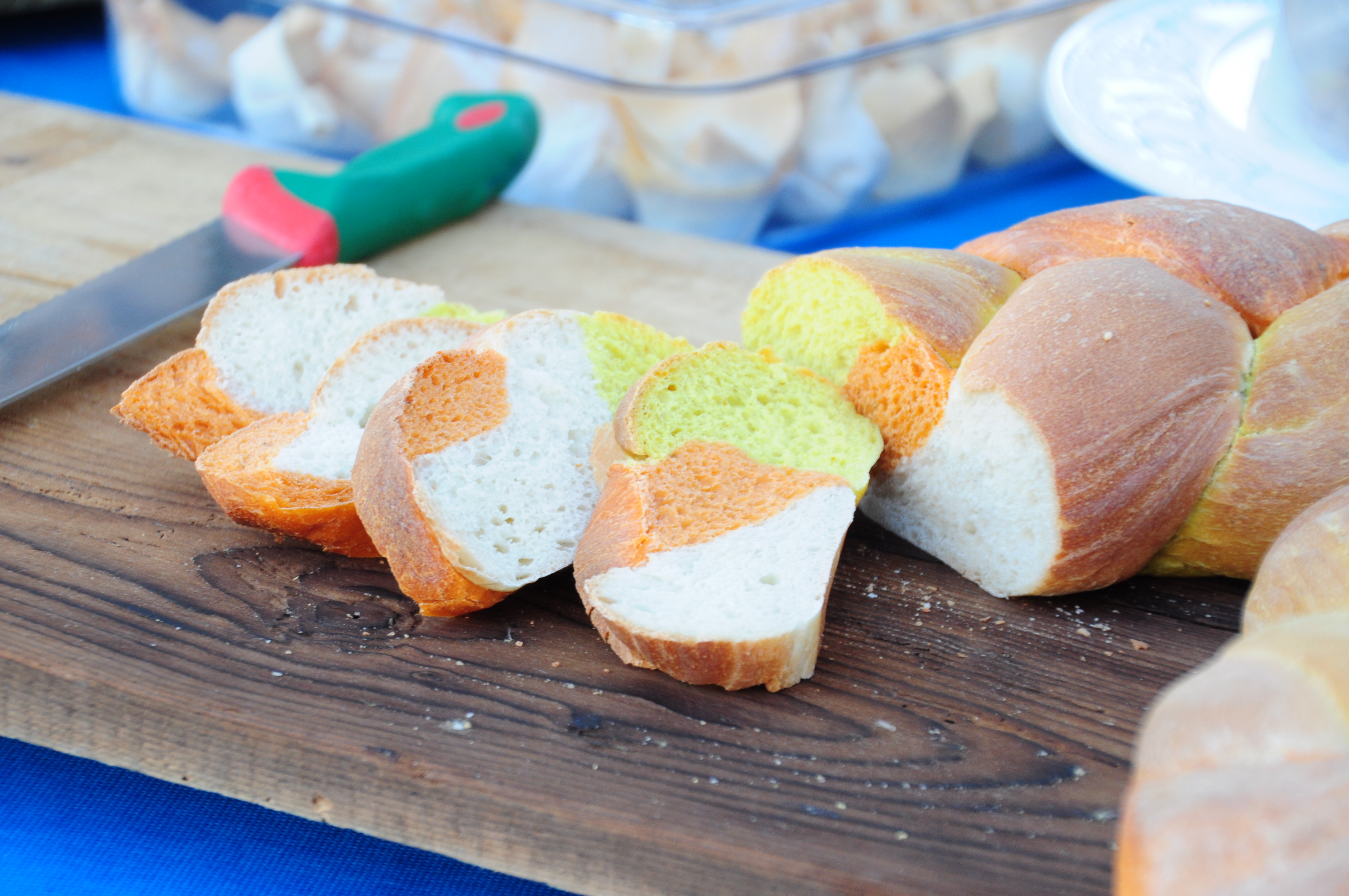
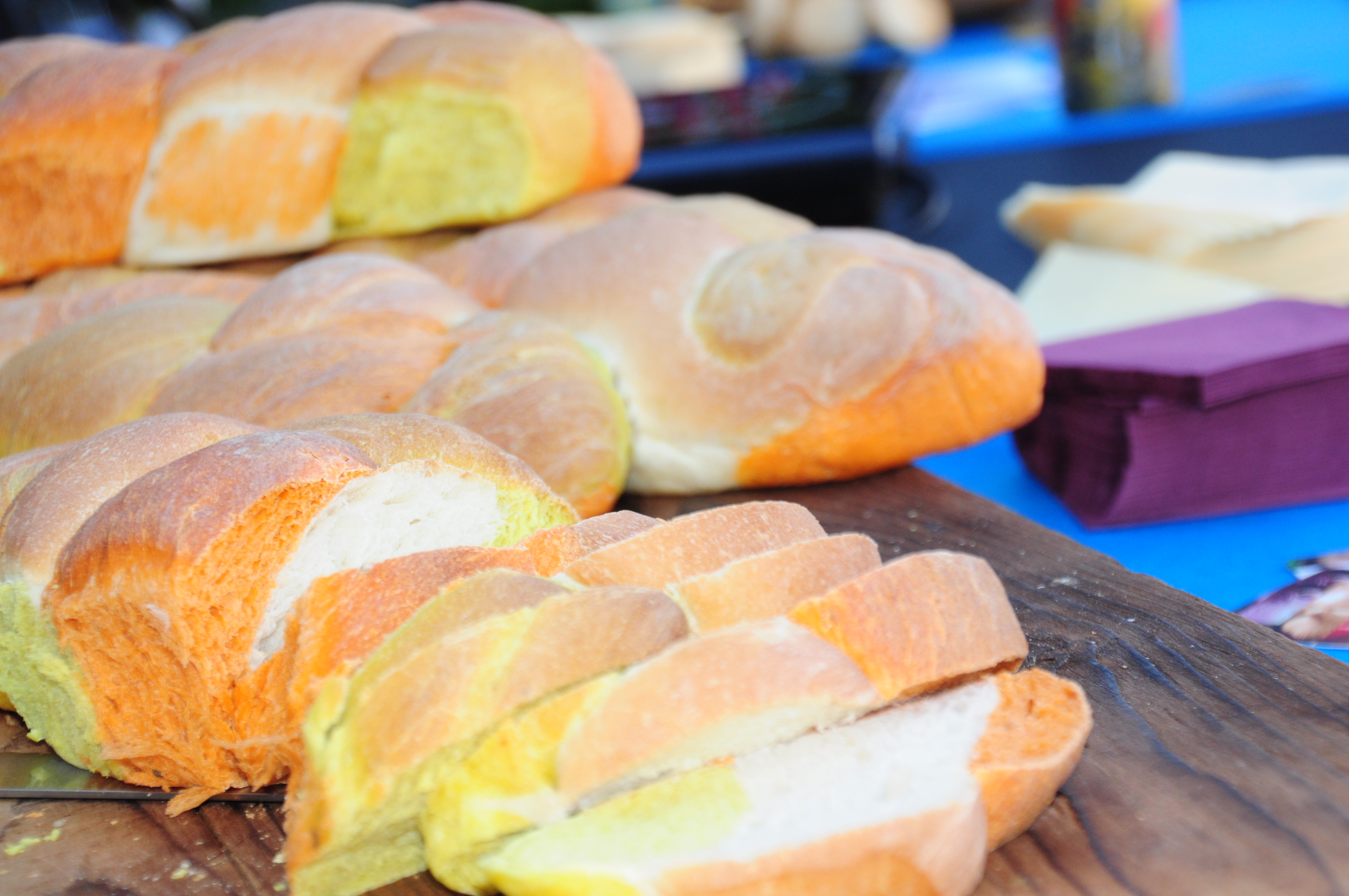
 Rullini a colori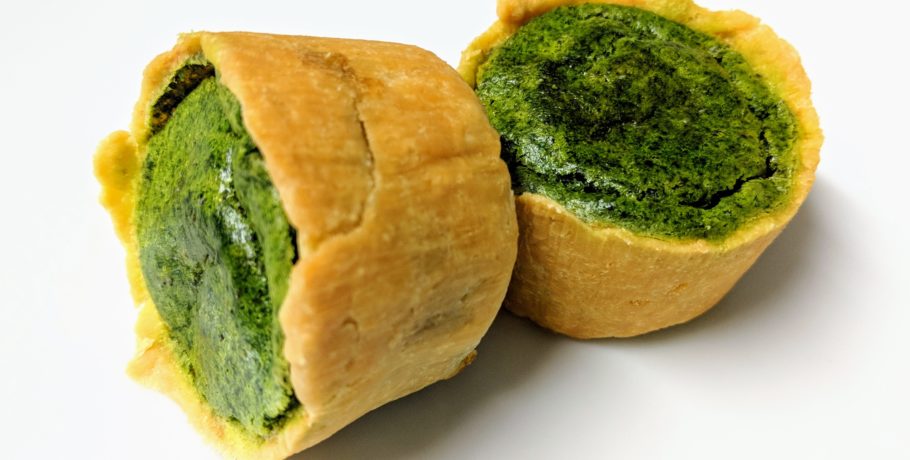
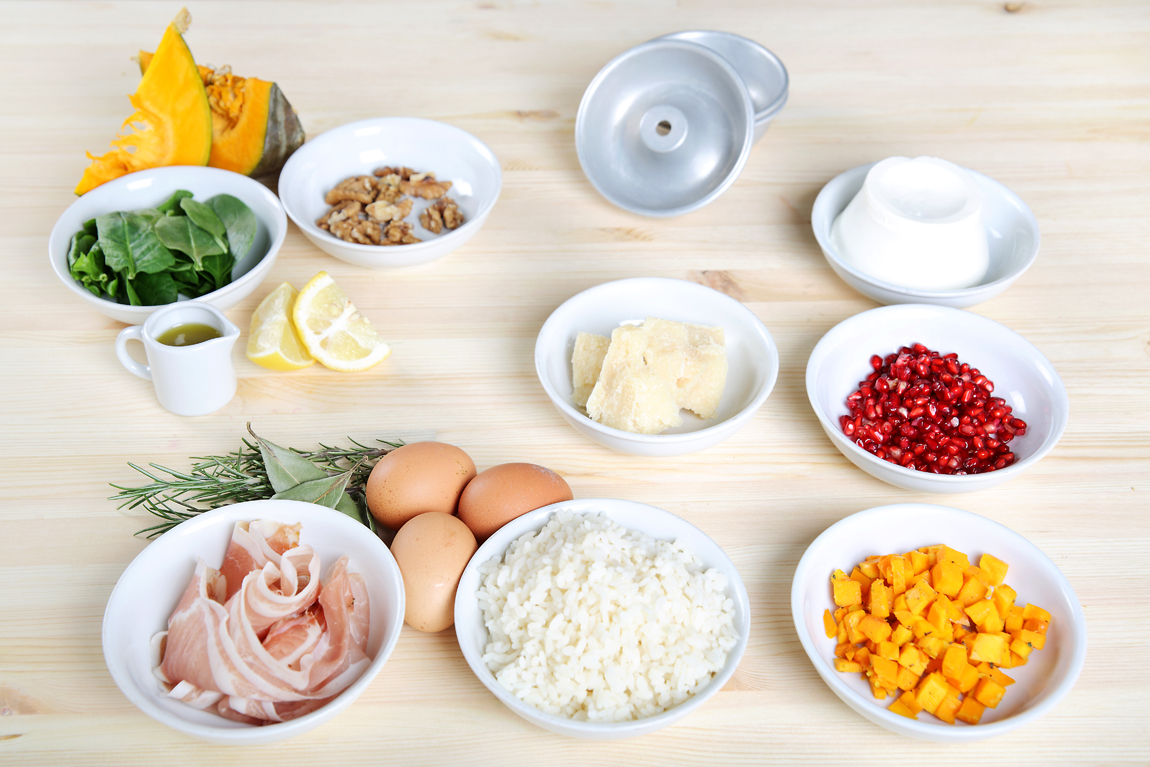
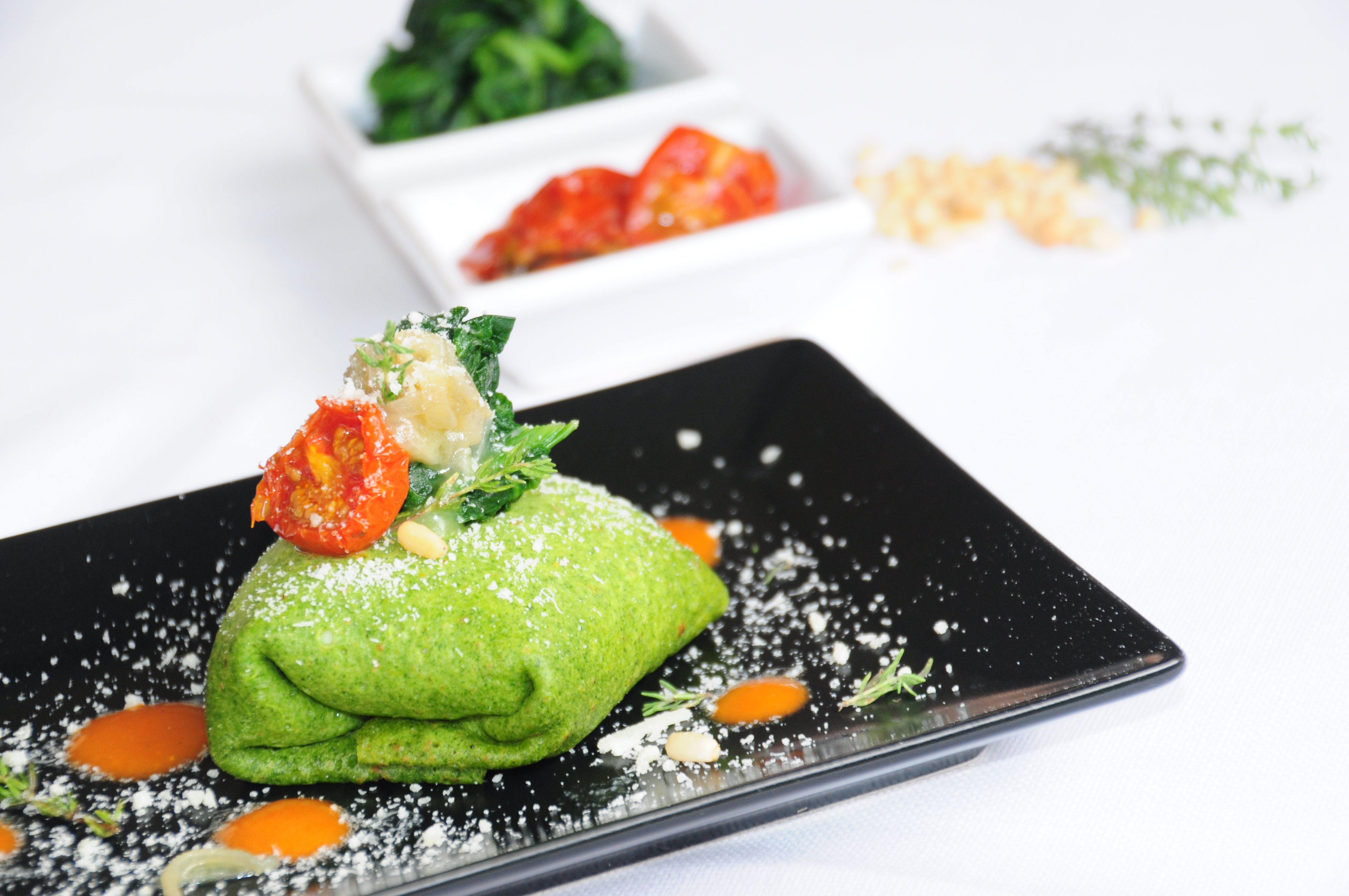
 Libera interpretazione della torta Pasqualina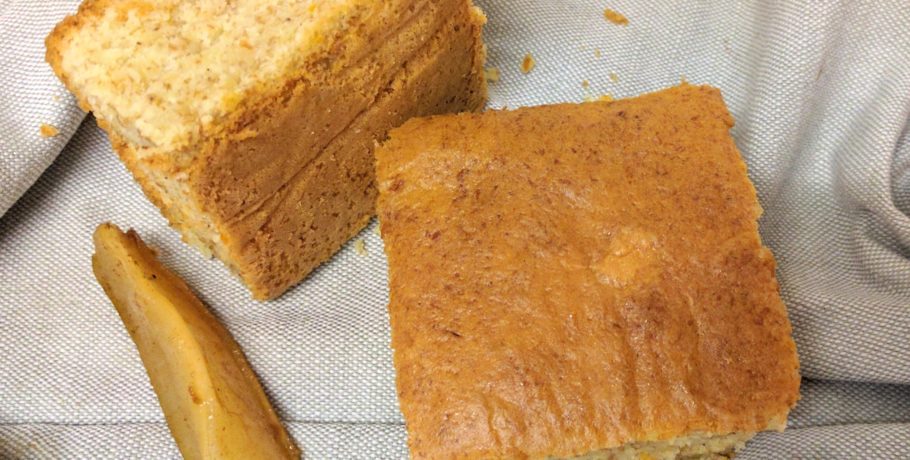
 Soffice tentazione…senza (troppi) rimorsi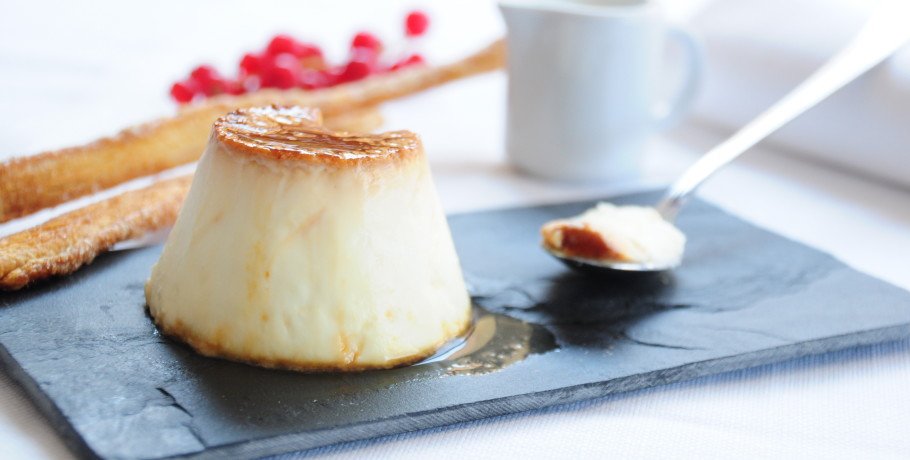
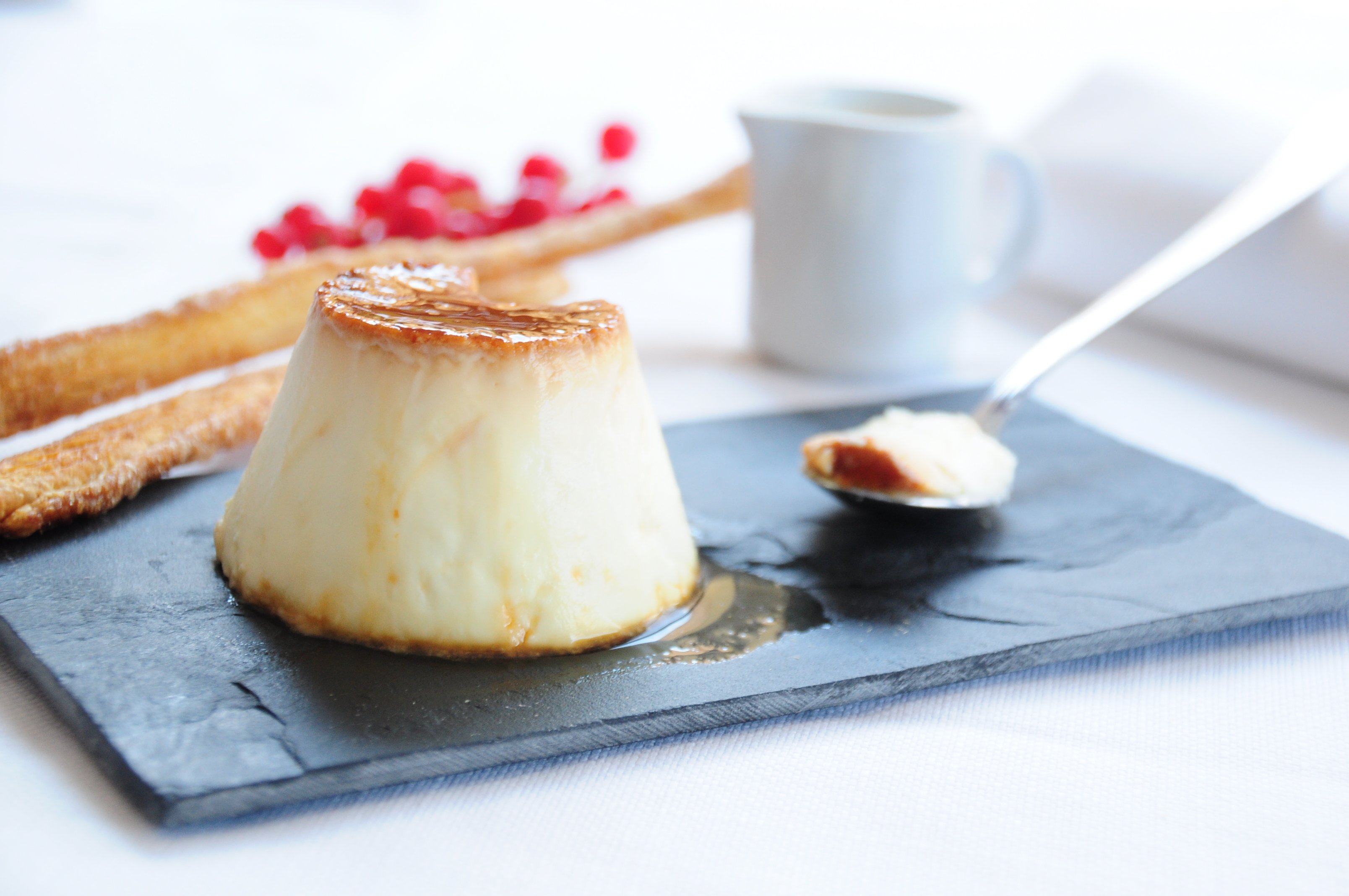
 Panna cotta al caramello, quella vera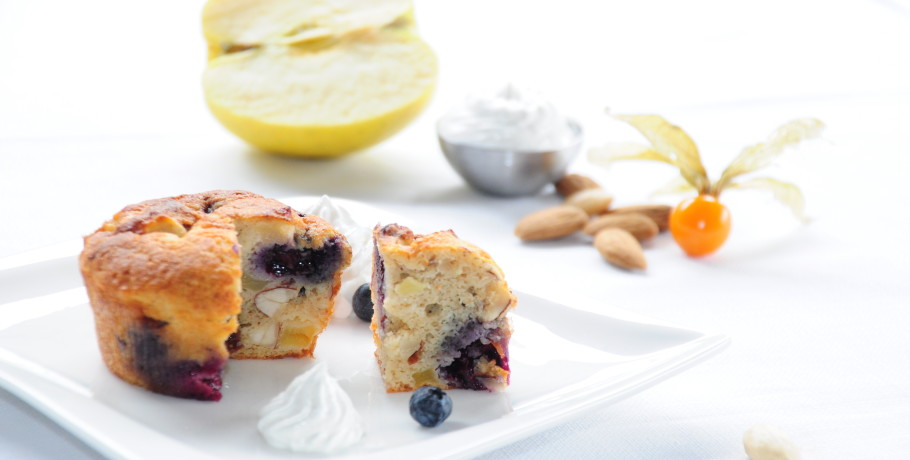
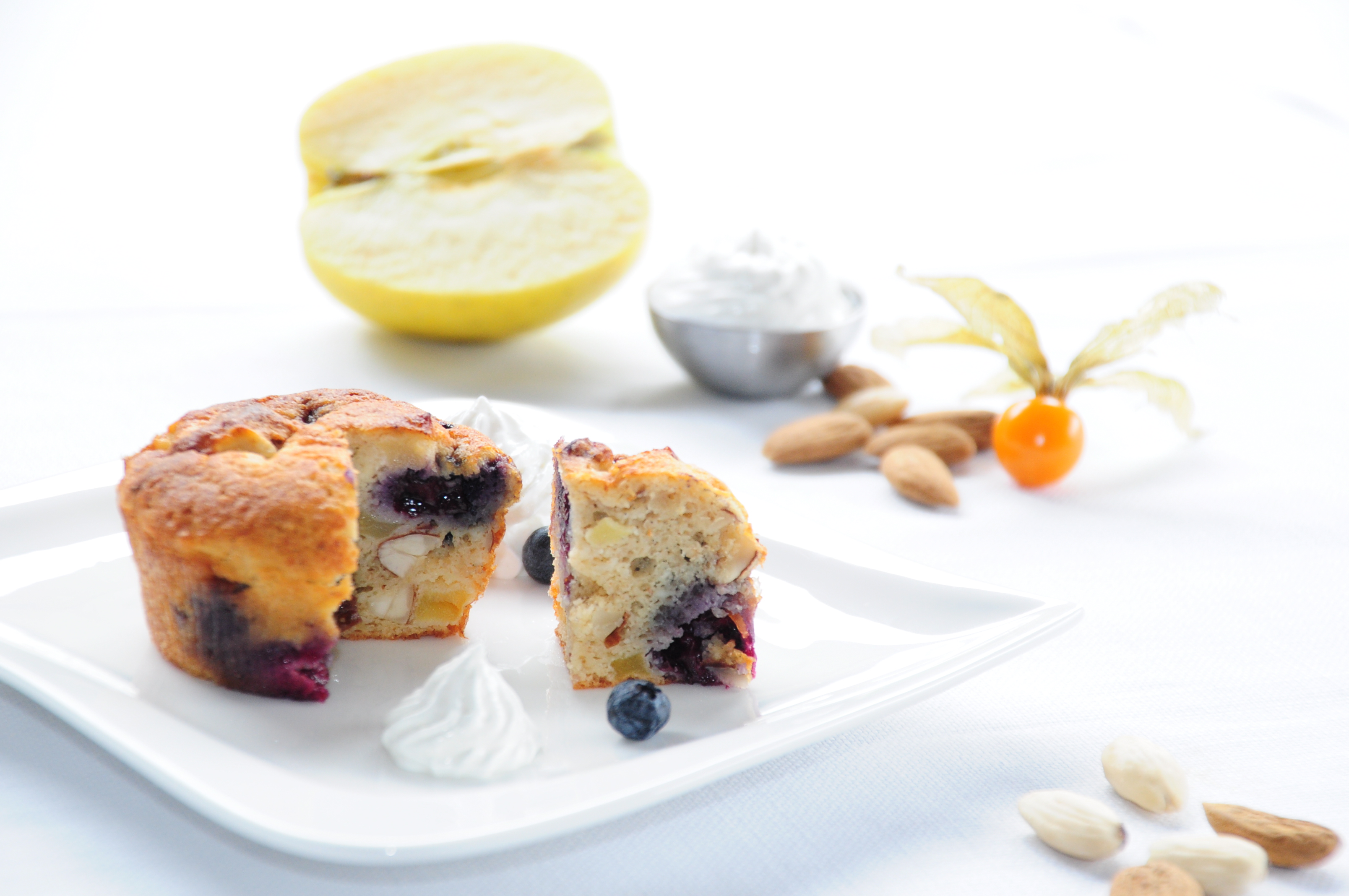
 Tortino di farro e grano saraceno con mele e mirtilli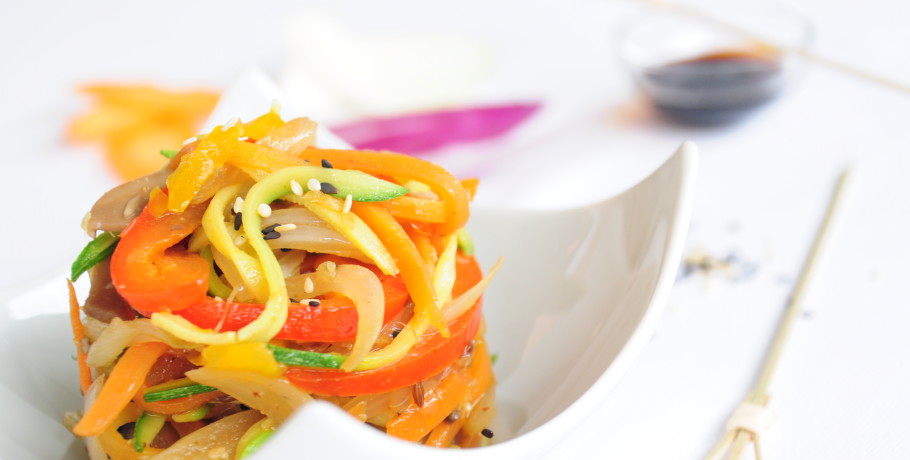
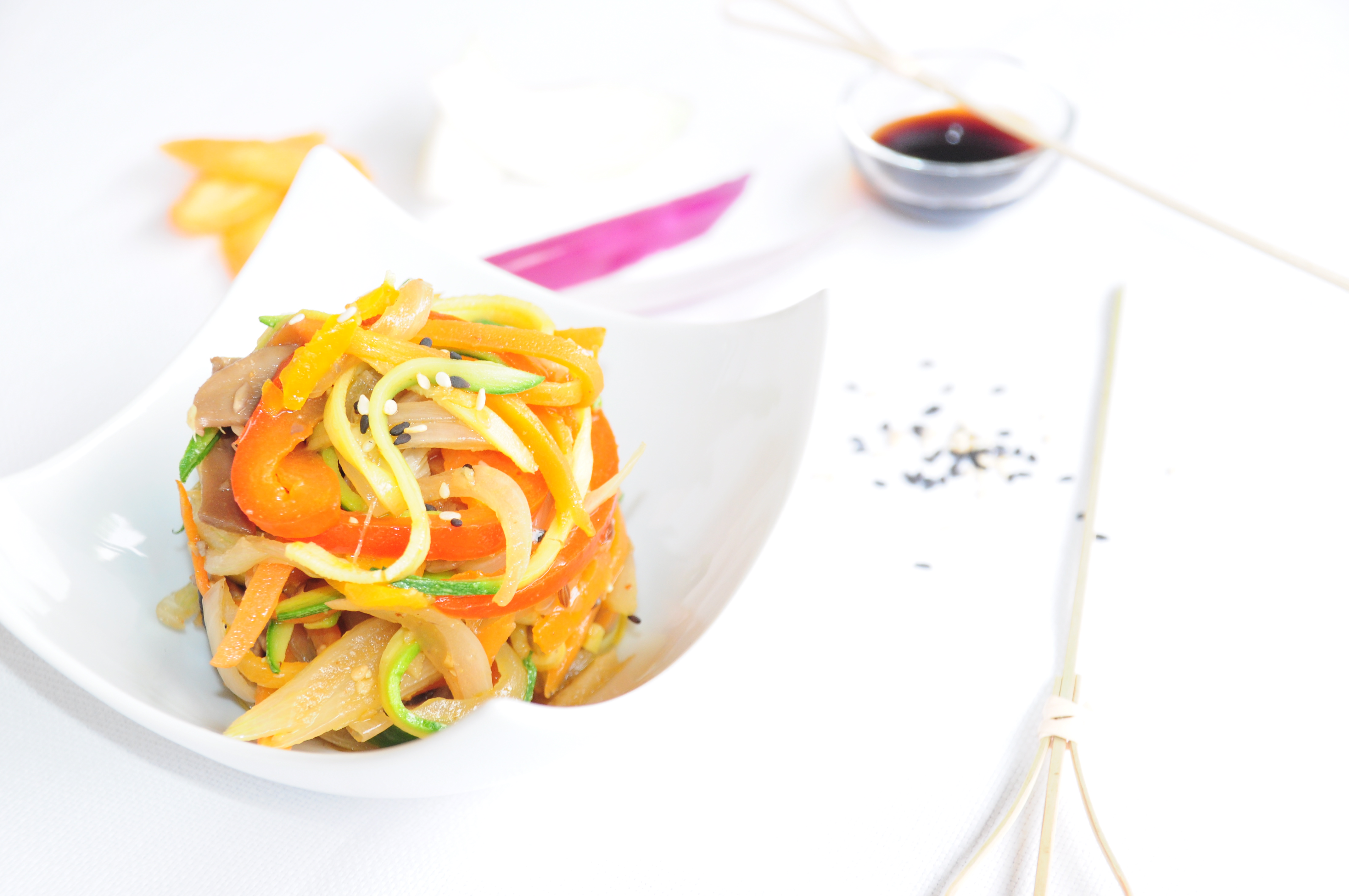
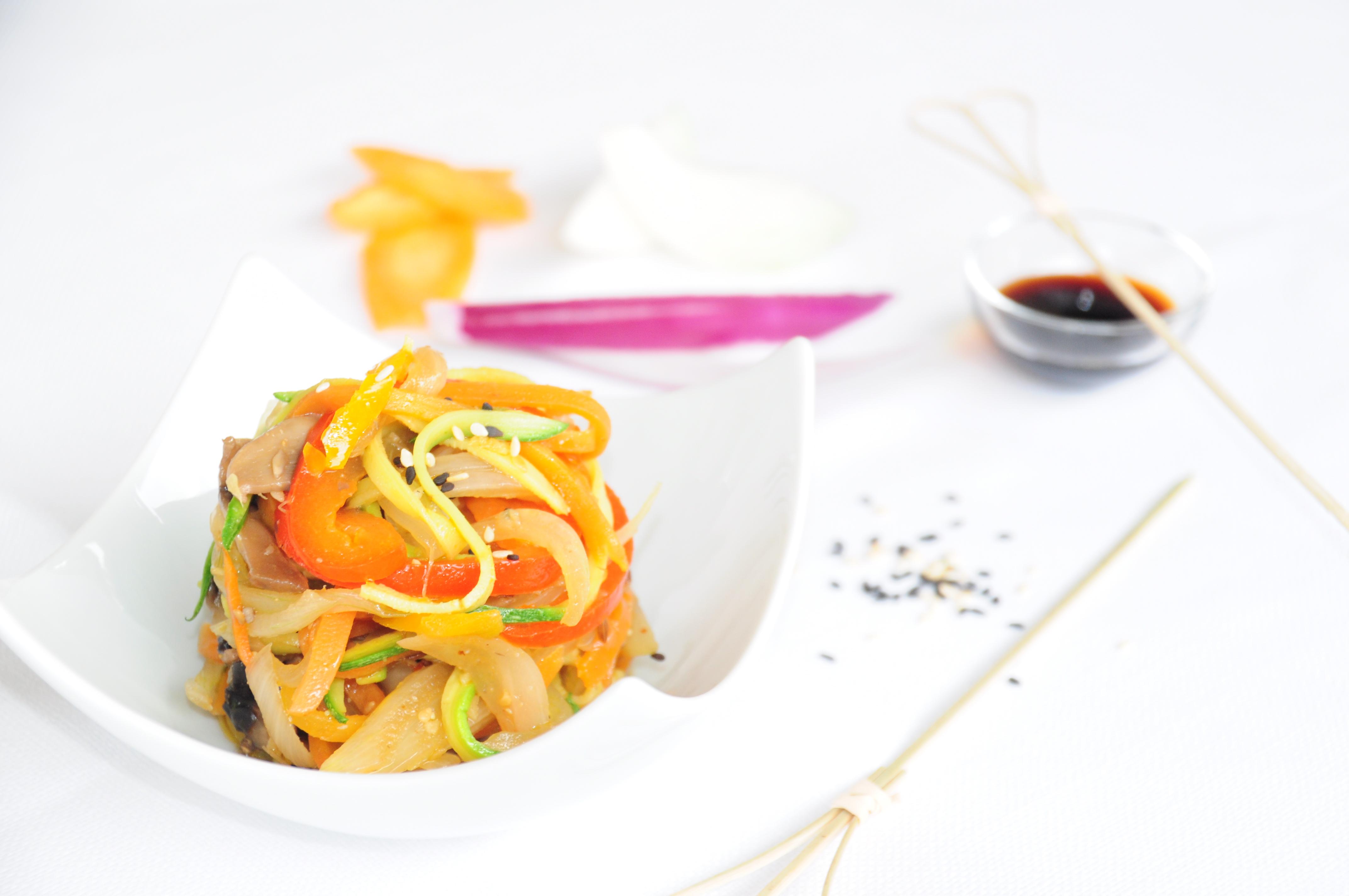
 Spaghettini di verdure Thai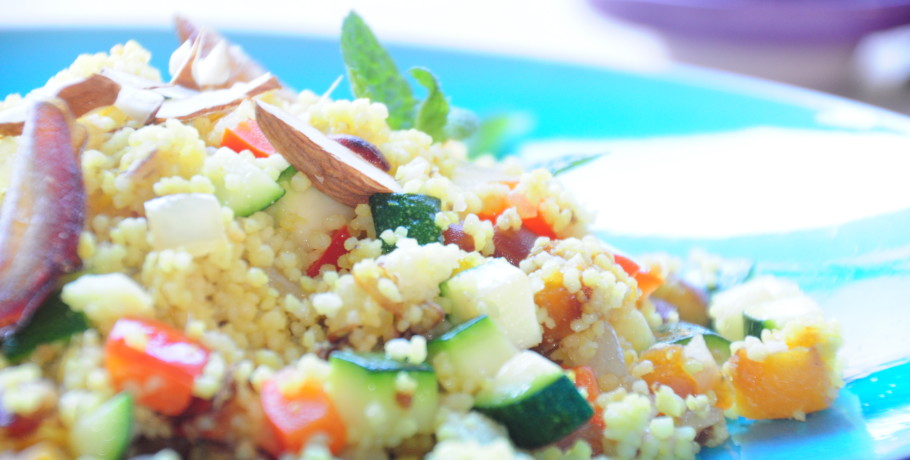
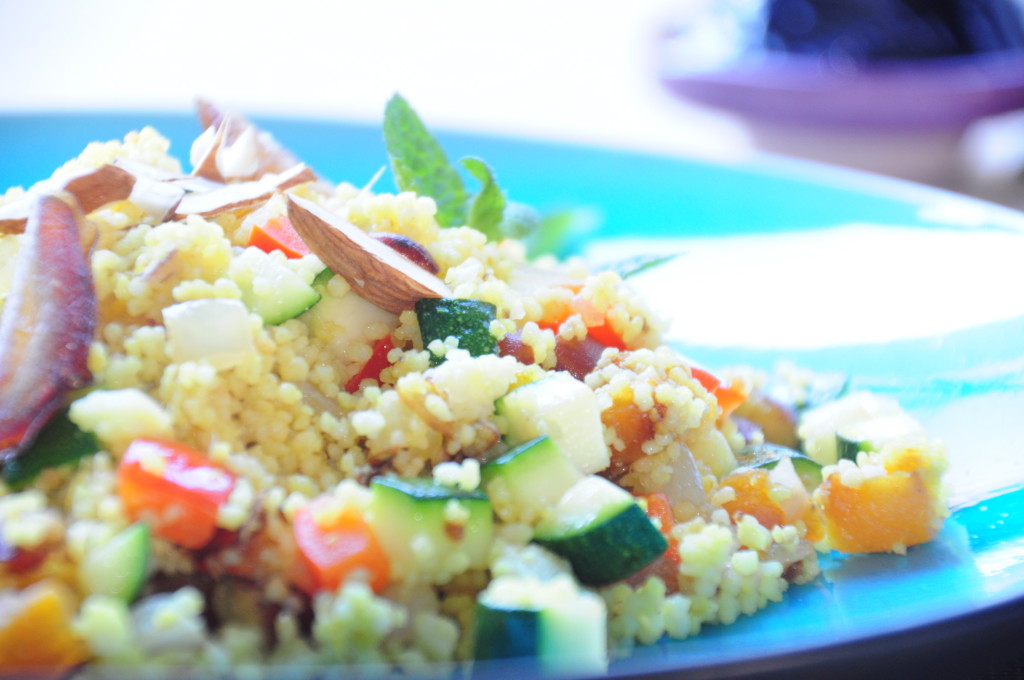
 Cous cous alla marocchina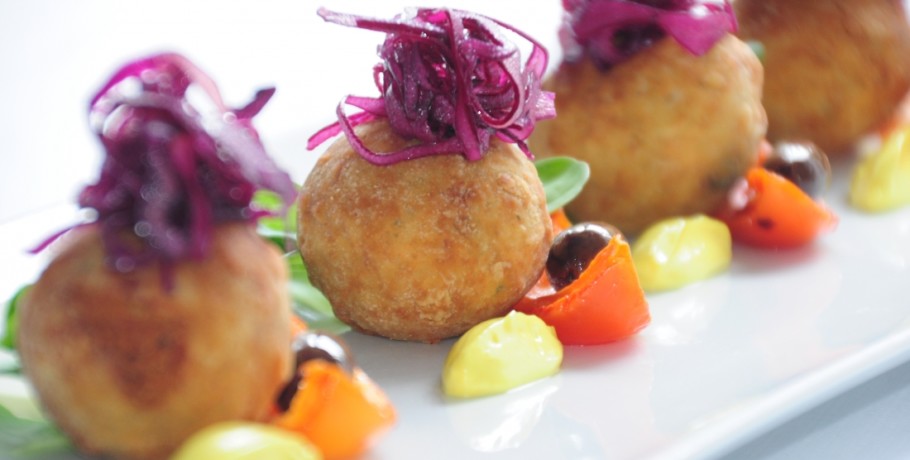
 Falafel a modo mio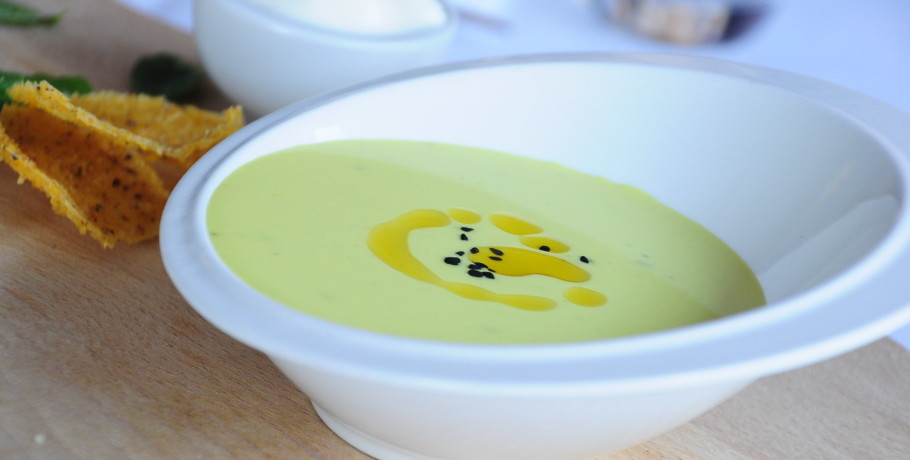
 Crema di patate alla curcuma
 Vegan wholemeal cake with pumpkin and cocoa
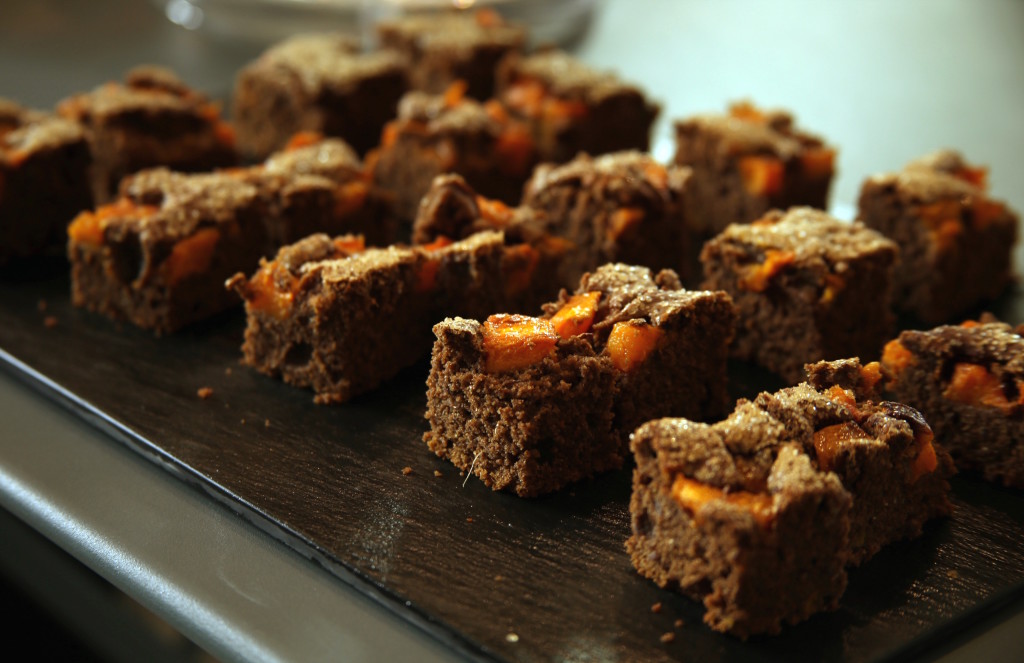
A delicious and easy cake where pumpkin puree, extra virgin olive oil and flaxseeds become the perfect alternative to traditional ingredients like butter and eggs.
Ingredienti
- Pumpkin - 350 g (peeled)
- Wholemeal flour - 200 g
- Buckwheat flour - 100 g
- Soy milk - 150 g
- Extra virgin olive oil - 70 g
- Cane sugar - 130 g
- Cocoa powder - 3 tbsp
- Ginger - 1 tbsp
- Ginger powder - 1 tsp
- Flaxseeds - 15 g (9 tbsp warm water)
- Baking powder - 15 g
Procedimento
Ingredients are for a 24 cm wide baking pan. Make the “flaxseed egg”: crush flaxseeds and add warm water. Leave to set for 10 minutes, until you have a jelly. (We call this flaxseed egg because in this recipe has egg’s role, keeping ingredients together!) Keep aside a slice of pumpkin (you’ll use it to cover the cake before cooking). Cut the remaining pumpkin in chunks, steam it for 10-15 minutes and mash it. Cool down the mash and mix it with sugar, flaxseed jelly, EVO oil and grated fresh ginger. Sieve the flours with cocoa and baking powder and add to the other ingredients. Moisten the mix adding soy milk until you obtain a smooth batter. Transfer the batter in a baking pan (previously coated with greaseproof paper or EVO oil and cocoa powder). Add thin pumpkin slices on the top of the cake, sprinkle with cane sugar and ginger powder. Bake in a preheated oven (180°C) for 50 minutes. Let it cool down and… enjoy your delicious cake!
In this recipe pumpkin puree, EVO oil and flaxseeds are a perfect alternative to butter and eggs. For this reason the cake could be considered a good solution in a low cholesterol diet, not only for the lack of animal fats but also because there are other many interesting ingredients, such as ginger or cocoa. Cocoa, for example, has been subject of several scientific studies: they show that its richness in antioxidant components plays an important role in keeping the level of bad LDL cholesterol down, preventing arteries damage.
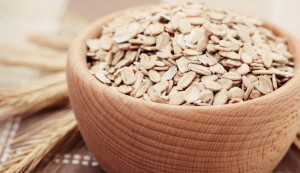 radotto con “pappa d’avena” ed viene tipicamente consumato a colazione. La preparazione é poco impegnativa e consiste nel cuocere i fiocchi d’avena in acqua e/o latte per 10-15 minuti, a seconda del grado di macinazione e raffinazione, seguendo una proporzione di 1:3 avena:liquido (per una porzione di 30g, aggiungere 100mL di liquido circa). Si ottiene cosí una purea piú o meno morbida, che puó essere addolcita con miele, frutta secca/disidratata, marmellata, frutta fresca, .. o qualunque altra cosa sia gradita!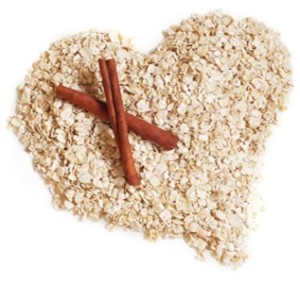

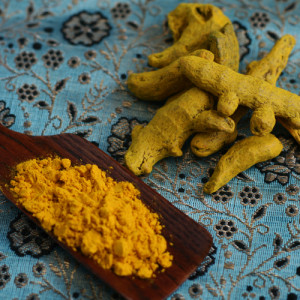 ata come additivo alimentare atossico. Il rizoma non viene normalmente consumato come tale, ma lavato, sbollentato, essiccato e macinato in una polvere fine, arancio brillante. In India, è utilizzata almeno da 6000 anni, come medicina, cosmetico, spezia e colorante (per 2000 anni le tuniche dei monaci buddisti sono state tinte con questa radice). Nella medicina tradizionale indiana, la curcuma veniva largamente usata come antisettico e per favorire la disintossicazione dell’organismo, in particolare del fegato, e come aiuto negli stati infiammatori. Per la medicina Ayurvedica era considerata come una delle piante più importanti, soprattutto per le sue proprietà cicatrizzanti e antinfiammatorie. La tradizione le attribuisce inoltre un’importante azione antiossidante per uso esterno nei problemi di invecchiamento della pelle. Le donne indiane infatti si spalmano spesso il viso con la polvere di curcuma, ritenuta anti-macchie e anti-rughe.